


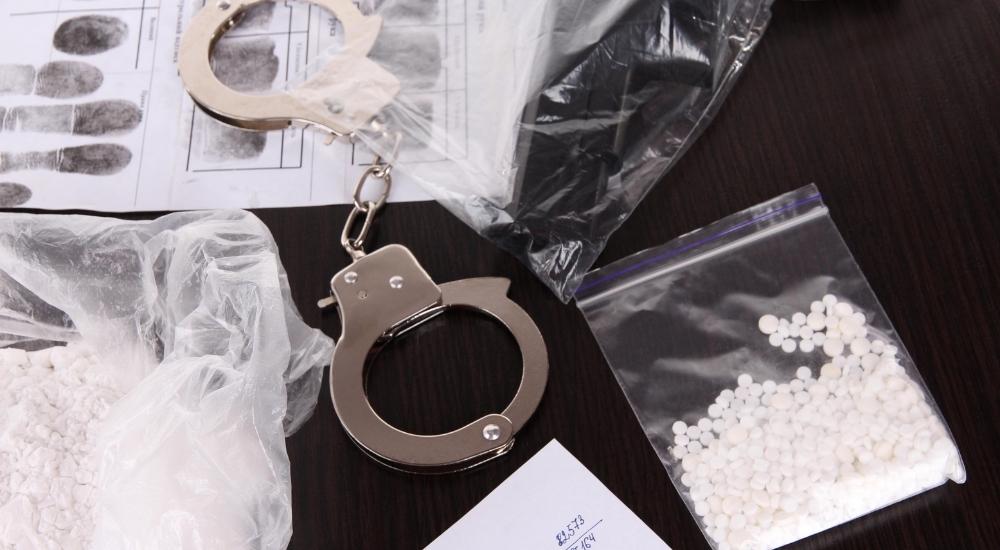
Wheaton Drug Charges: What A First Arrest Can Change Right Away
A first drug arrest in Wheaton rarely feels like a single event. Within days, you may have a court date at the DuPage County Judicial Center, a charge that could be filed as a misdemeanor or a felony depending on the substance and weight, and real questions about jail exposure, a permanent record, immigration or licensing consequences, and what your employer or school will learn. Most people arrested for the first time have never spoken to a prosecutor, never seen a police report, and have no idea how much of the case turns on the traffic stop or the search that preceded it.
Anderson Attorneys & Advisors defends drug charges in Wheaton and across DuPage County by starting there: how the stop happened, whether the search was lawful, what was actually seized, and why the State charged what it charged. Attorney Audriana Anderson spent approximately 20 years as an Assistant State’s Attorney in DuPage County, including service as Supervisor of the Major Crimes and Narcotics Unit — the same office that will be building the case against you.
Below, we cover what separates a first offense from repeat conduct, how strategy shifts between simple possession and possession with intent, the outcomes a drug defense attorney in Wheaton can realistically pursue, and why charging decisions are often where cases are won or lost.
First-Time Drug Offenses: Possession, Intent To Deliver, And What Changes The Defense
Most first arrests in DuPage County fall into a handful of categories:
- Simple possession of cannabis above the lawful personal limit
- Possession of a controlled substance (such as prescription pills, cocaine, or fentanyl)
- Possession with intent to deliver
- Allegations tied to manufacturing or growing
- Drug paraphernalia counts that often ride along with the main charge.
The label on the complaint matters, because it sets the exposure before anyone argues a single fact. The misdemeanor-versus-felony line usually turns on four things: the substance, the alleged weight, how it was packaged, and where it was found. A small amount loose in a pocket reads differently than the same amount split into individual bags with cash and a scale nearby — that combination is how a possession case becomes an intent-to-deliver case.
Proximity to a school or park, or a prior record, can push the sentencing range higher again. For someone comparing charges, the practical question is not “how bad does this sound?” but rather, “what class of felony or misdemeanor is actually charged, and what is the minimum and maximum attached to it?”
A first arrest genuinely changes what is available. With no prior record, the realistic paths often include diversion or probation programs, a reduction to a lesser count, or a negotiated resolution that protects eligibility for later record relief. Repeat conduct narrows those doors quickly, which is why early work on a first case is disproportionately valuable.
Before any of that, there is usually a constitutional question: did officers have lawful grounds to stop the car, enter the home, extend the encounter, or search the container the drugs came from? And was the substance properly tested and tracked? That question can end a case. In one matter involving alleged transportation of more than 50 kilograms, Anderson Attorneys & Advisors’ challenging of the traffic stop led to suppression of the evidence and dismissal of the charges.

How a Former Prosecutor Approaches Drug Cases Differently
Every drug case begins as the State’s file. Before a first court date, an officer has already written a report explaining why a car was stopped, or a bag was searched, the substance has been sent for lab testing, and a prosecutor has decided whether the conduct becomes misdemeanor possession, a felony, possession with intent to deliver, or nothing at all. Someone who used to make those decisions reads that file from the inside out: which reports get written to justify a search after the fact, which lab timelines slip, which chain-of-custody gaps matter, and which weak cases a prosecutor privately expects to resolve rather than try.
That is the background Anderson Attorneys & Advisors is built around. Attorney Audriana Anderson spent approximately 20 years as an Assistant State’s Attorney in DuPage County, handled hundreds of drug cases for the government, and is the only attorney in private practice in DuPage and Kane County defending drug charges who previously served as Supervisor of the Major Crimes and Narcotics Unit for the DuPage County State’s Attorney’s Office.
The practical value of that history shows up in three places:
- Predicting how the State will charge a set of facts;
- Knowing what plea posture a particular courtroom and prosecutor will realistically take;
- Anticipating how the State will respond to a motion to suppress before it is filed.
None of that guarantees an outcome, and no honest drug defense attorney in Wheaton will say otherwise. What prosecutor experience buys is an earlier, more realistic read — whether the pressure point in your case is the stop, the lab, the alleged intent, or your eligibility for a disposition that keeps a first charge off your record.
What Outcomes A Drug Defense Lawyer May Pursue In Wheaton
A defense strategy is not one goal — it’s a ranked set of them. In a DuPage County drug case, counsel typically works toward one of five results:
- Suppression of evidence the police obtained unlawfully;
- Outright dismissal;
- Reduction of a felony to a misdemeanor or a lesser offense;
- Admission into a diversion or probation program that avoids a conviction; or
- Sentencing mitigation when the facts leave no better path.
Which one is realistic depends on how the stop happened, what the lab reports actually show, and what the State can prove about possession versus intent to deliver.
Suppression is often the pivot point. If an officer lacked a lawful basis for the traffic stop, the search, or the detention that followed, the evidence that came out of it can be excluded, and without the drugs, the prosecution frequently has no case left to try. Anderson Attorneys & Advisors describes exactly that sequence in a published case summary: a client accused of transporting more than 50 kilograms of illegal drugs faced severe felony penalties and a lengthy prison sentence. Attorney Audriana Anderson identified constitutional problems with the traffic stop, and after the suppression hearing, the evidence was thrown out, and the charges were dismissed.
No two files resolve the same way. But a first arrest, a modest quantity, and no aggravating facts generally give a criminal defense attorney in Wheaton more negotiating room than a case with prior convictions, weapons, or alleged distribution. For most first-time clients, the practical stakes are narrower and more personal: staying off a felony record, staying out of custody, and protecting a job, a professional license, or school enrollment.

What To Ask Before Hiring A Wheaton Drug Defense Lawyer
A consultation is an interview. Bring questions that produce checkable answers, not reassurance. Here are some examples:
How many drug cases have you handled, and in what role? Volume matters less than the vantage point. At Anderson Attorneys & Advisors, Audriana Anderson spent approximately 20 years as a former Assistant State’s Attorney in DuPage County, handled hundreds of drug cases as a prosecutor, and is the only private practice attorney in DuPage and Kane County defending drug crime cases who previously supervised the county’s Major Crimes and Narcotics Unit. Ask any lawyer you meet for the equivalent specifics and verify them.
Do you regularly appear in DuPage County? Charging practices, how local prosecutors value a first arrest, and which judges set hearings quickly all vary by courthouse. A drug defense attorney in Wheaton who knows the 18th Judicial Circuit can tell you what a realistic path looks like before you retain them.
How would you attack the stop or the search? Suppression is often where a first-time case turns. For example, how Anderson Attorneys & Advisors handled charges involving more than 50 kilograms and got them dismissed after a suppression hearing excluded the evidence.
How do you treat a first offense differently? And finally: who returns your calls, how discreetly is the file handled, and will the likely outcomes be explained in plain language?
FAQ: Hiring A Drug Defense Attorney in Wheaton
Does a first drug arrest always mean jail or a felony?
No. Exposure depends on the substance, the weight alleged, where the stop happened, and whether the State charges simple possession or possession with intent to deliver. Some first-time allegations are charged as misdemeanors; others are Class 4 or higher felonies from the outset. Until someone reads the actual charging instrument, any prediction is guesswork.
How fast should I call a lawyer?
Before your first court date, and ideally before you say anything further to police. Evidence that helps you (e.g., squad video, body camera footage, dispatch logs, store surveillance, etc.) gets overwritten on retention schedules. Early involvement lets counsel send preservation requests while those files still exist.
What should I bring to a consultation?
The bond slip or charging document, any police paperwork or receipt for seized property, the date and courtroom of your next DuPage County setting, and an honest account of how the search unfolded: who stopped you, what was said, whether consent was given, and what was searched.
Can this stay private?
Court files are public, but your conversations with counsel are not, and much of a drug case is resolved through motions and negotiation rather than public testimony. While the case is pending, avoid discussing it on social media, in group chats, or with anyone other than your attorney.

Talk to a Wheaton Drug Defense Lawyer About Your First-Time Charge
A first drug charge doesn’t have to define your future, but the steps you take now can shape how your case ends. Illinois offers several options for first-time offenders, such as Section 410 probation and Second Chance probation, that may allow a case to be dismissed and kept off your record. Whether you qualify depends on the charge, the evidence, and how the case is handled from the start.
At Anderson Attorneys & Advisors, we review every detail of your arrest, look for weaknesses in the prosecution’s case, and pursue the outcome that best protects your record, your career, and your freedom. Call (630) 877-5800 today to schedule a consultation with a Wheaton drug defense lawyer and get clear answers about your next steps.