
- #1 law firm in wheaton
Ready To Solve Your Problem
When you are faced with a difficult legal matter, you need an attorney who will put you first, no matter how complex your case may be.


DuPage County Expungement Attorney

Experienced DuPage County Attorneys for Record Sealing and Criminal Record Expungement in Illinois
An arrest in Illinois, even one that never leads to a conviction, can follow you for years. It can surface on background checks run by employers, landlords, and professional licensing boards, closing doors before you ever have a chance to open them. At Anderson Attorneys & Advisors, we believe that your past should not define your future.
Few defense attorneys understand the prosecution process as thoroughly as Attorney Audriana Anderson. After serving almost 20 years with the DuPage County State’s Attorney’s Office, she entered private practice with firsthand knowledge of how serious criminal cases are investigated and prosecuted. As the former Supervisor of the Major Crimes and Narcotics Unit, she trained law enforcement officers and prosecutors on search and seizure issues and criminal investigations, making her the only criminal defense lawyer in DuPage and Kane Counties with that background. That experience helps her identify opportunities to challenge evidence and advocate for favorable outcomes.
Whether you are seeking a fresh start after an old arrest or trying to remove a charge that was dismissed or acquitted, our law firm is ready to guide you through the record-clearing process with the experience and personalized attention your case deserves.
If you have questions about expungement, record sealing, or new beginnings in Illinois, contact our office today. Call 630-877-5800 for a confidential consultation. We work with clients throughout DuPage County and the surrounding areas, including Wheaton, Carol Stream, West Chicago, Glendale Heights, Warrenville, and beyond.
What is Expungement in Illinois?
Expungement is a legal process that allows certain arrests to be completely removed from public records. When an individual has their criminal record expunged, the information is erased from public view, which may help them avoid problems related to employment, housing, and professional licensing. However, not every case qualifies for expungement, and eligibility depends on factors such as the type of offense, the outcome of the case, and whether the person was convicted.
Expungement vs. Sealing Illinois Criminal Records
It is important to understand the difference between expungement and record sealing. Expungement results in the physical destruction of records, while sealing makes records inaccessible to the general public but preserves them for limited access by law enforcement, government entities, and certain licensing boards with a court order.
Criminal convictions, with limited exceptions, are not eligible for expungement, but they may qualify for record sealing. Both options offer meaningful relief, and which one applies to your situation depends on the outcome of your case and your overall criminal history.
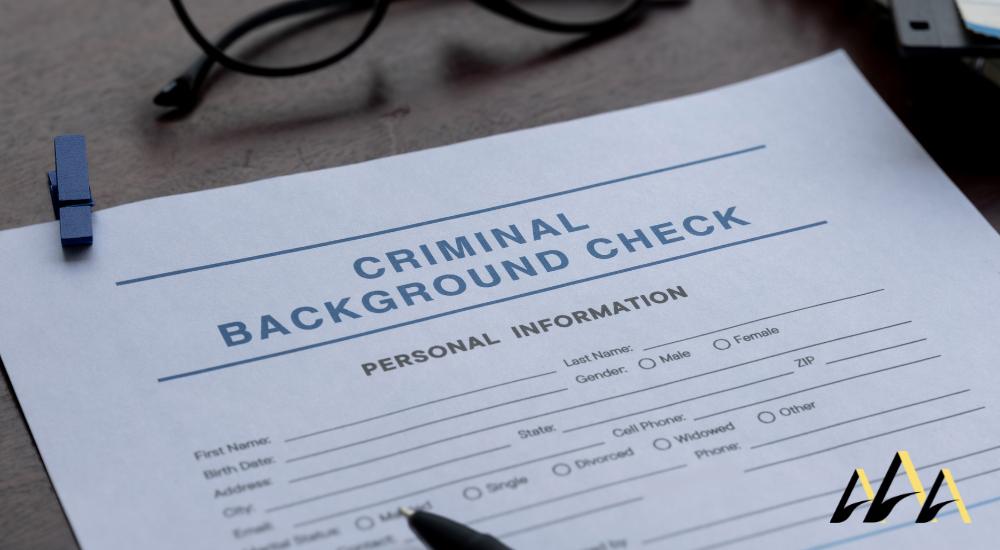
Illinois Expungement Laws and Eligibility Rules
Illinois expungement laws are governed primarily by 20 ILCS 2630/5.2, which outlines who is eligible to have their records cleared and under what circumstances. Eligibility depends heavily on how your case concluded and whether you have any prior convictions on your record.Illinois Expungement Eligibility Requirements
The processes used to clear a person’s criminal record are complex and require careful attention to detail. A single mistake or incomplete paperwork could result in lengthy delays and additional expenses. Before you spend substantial time and money attempting to clear your record, you must first determine your eligibility. Generally speaking, you may be eligible for expungement if your case ended in one of the following ways:- An acquittal (found not guilty)
- A dismissal
- Release without charges being filed
- A conviction that was later reversed or vacated
- Successful completion of court supervision or qualified probation programs*
How to Expunge a Record in Illinois
Expunging a record in Illinois involves several steps, and navigating them correctly the first time around is critical. The DuPage County expungement attorneys at Anderson Attorneys & Advisors can help guide you through the process to ensure nothing is overlooked and that your record, if eligible, is successfully expunged.Illinois Expungement Process Step by Step
The process generally includes:- Obtaining Criminal Records: Before anything else, you need a complete picture of your arrest record and court records. This means pulling records from all relevant agencies.
- Determining Eligibility: Not every arrest or charge qualifies. An experienced attorney can analyze your history and identify which cases are eligible for expungement or sealing.
- Filing Petitions: Petitions must be filed with the circuit court in the county where the arrest occurred, along with proper notice to the State’s Attorney and the arresting agency.
- Court Review Process: After filing, prosecutors have the opportunity to object. Understanding how to respond to objections is one of the many valuable services a skilled attorney provides in these cases.
- Hearings and Final Orders: In some cases, a judge will hold a hearing before issuing a final order. Once granted, the order is sent to all relevant agencies for compliance, and the system destroys all official records related to a particular arrest and/or prosecution.

When Can You File for Expungement in Illinois?
The waiting period for filing for expungement in DuPage County depends on how your case ended. No waiting period applies if your case was dismissed, you were found not guilty, you were released without being charged, or a conviction was later overturned. In other words, you can file for expungement right away. If you successfully completed court supervision, you may need to wait:- 5 years for certain traffic offenses, domestic battery offenses, and other specific crimes listed under Illinois law.
- Until you turn 25 years old if you received supervision for an underage alcohol-related driving offense and have no other DUI or similar convictions.
- 2 years for most other offenses that resulted in successful supervision.
Process for Sealing a Criminal Record in Illinois
Record sealing is another option available to individuals who do not qualify for expungement, including many people who were convicted of eligible misdemeanor and felony offenses. Once sealed, records are hidden from public view and will not appear in standard background checks conducted by employers or landlords.Who May Qualify for Sealing
Sealing is available for a broader range of outcomes than expungement, including many convictions. However, waiting periods apply. Most convictions require a waiting period of three years from the end of the sentence before a petition can be filed. The specific waiting period and whether sealing is appropriate depend on the nature of the offense and your overall record. Factors such as the type of crime, whether you have subsequent offenses, and the sentencing imposed by the judge all determine whether sealing is the right path for your case.
Illinois DUI Expungement Rules
DUI convictions in Illinois generally cannot be expunged or sealed under any circumstances. This is one of the stricter limitations in Illinois law. However, there are limited circumstances in which relief may be available, such as a DUI charge that was dismissed or dropped before conviction, or a DUI charge that was acquitted at trial.
If you were convicted of a DUI, it will remain on your record permanently. A DuPage County DUI attorney at Anderson Attorneys & Advisors can review your specific situation to determine whether any exceptions or alternative forms of relief may apply.
Illinois Cannabis Expungement and Drug Record Relief
Illinois has made significant progress in cannabis-related reforms in recent years. Under the Cannabis Regulation and Tax Act, individuals with qualifying marijuana offense convictions on their records may be entitled to automatic or petition-based relief. Automatic expungement applies to certain low-level cannabis convictions and is handled by the Governor’s office without requiring any action by the individual, while petition-based relief is available for higher-level cannabis offenses, allowing individuals to seek expungement through the courts.
If you have a cannabis-related arrest or conviction on your record that has not yet been addressed through this process, our experienced Illinois drug charge lawyers can help determine whether you qualify and assist you in pursuing relief.
Illinois Felony Expungement Laws
Felony convictions present the most significant challenges under Illinois expungement law. In many cases, felony convictions cannot be expunged. However, sealing eligibility exists for some felony offenses, offering meaningful relief even when expungement is unavailable.
How to Expunge a Felony in Illinois
Because the rules surrounding felony records are particularly nuanced, individualized case analysis is essential. Some felony arrests that did not result in a conviction may qualify for expungement. Others may be eligible for sealing after the appropriate waiting period has passed.
A one-size-fits-all approach does not work here. What matters is a careful review of your specific record, the charges involved, and the outcome of each case.
Automatic Juvenile Expungement Illinois Procedures
Illinois law provides special protections for juvenile records. Many juvenile cases are eligible for automatic expungement, meaning no petition needs to be filed. Cases eligible for automatic expungement include most arrests and adjudications for minor offenses where the juvenile was not tried as an adult.
The court processes automatic juvenile expungements on a set timeline, generally beginning when the individual reaches a certain age or after a specified period following the close of the case. For offenses that do not qualify for automatic expungement, a petition can still be filed to seek relief. Our DuPage County expungement attorneys can help families understand these timelines and take action where needed to protect a young person’s future.

Illinois Expungement & Record Sealing FAQs
Does Expungement Restore Gun Rights in Illinois?
Expungement can restore certain civil rights that were affected by an arrest or conviction, but gun rights restoration in Illinois is a separate and complex matter. Expunging an arrest that did not result in a conviction generally has no negative impact on firearm rights, but if you had a conviction that was sealed, you should speak with an attorney about the specific implications for your situation.
How Long Does Expungement Take in Illinois?
The process typically takes between four and six months from the time the petition is filed, give or take, though timelines vary depending on the county and whether prosecutors file objections.
How Much Does Expungement Cost in Illinois?
Court filing fees vary by county, and there are additional costs associated with obtaining records and serving notice on the relevant agencies. In DuPage County, the total filing fee is $216 per case, though juvenile records are expunged free of charge in most cases. There are also other fees to consider, however, such as attorney fees, fingerprinting, and local law enforcement agency fees involving pulling your rap sheet.
Individuals who cannot afford the filing fees may request a court fee waiver. If the court approves the application, the county filing fees are waived, and the Illinois State Police fee is generally waived as well.
Our DuPage County expungement attorneys offer a free initial consultation to explain the process, review your eligibility, and discuss the potential costs involved so you know what to expect before moving forward.
Do I Need a Lawyer For Expungement?
While Illinois law does not require legal representation to file a petition, the process involves navigating procedural requirements, understanding eligibility rules, and potentially responding to objections from prosecutors. Filing mistakes can result in delays or denials, making skilled legal representation especially important to improve your chances of success.
How Much Does an Illinois Expungement Lawyer Cost?
Attorney fees vary based on the scope of work involved. Simple cases may be less expensive, while cases involving multiple criminal charges, contested hearings, or complex felony records require more time and resources. During your free consultation, Anderson Attorneys & Advisors will provide a transparent breakdown of what to expect.
The Importance of Hiring Skilled Criminal Record Sealing & Expungement Lawyers in Illinois
The expungement process in Illinois is more involved than many people expect. Common pitfalls include filing with incorrect documentation, missing notice deadlines, and failing to identify all records that need to be addressed. A mistake at any stage can mean starting the process over, or worse, having your petition denied.
Beyond avoiding filing mistakes, an experienced expungement attorney brings value in other important ways. They can accurately assess eligibility requirements across multiple charges, communicate directly with agencies and prosecutors on your behalf, and mount an effective response if the State’s Attorney raises an objection to your petition.
When prosecutors object to an expungement or sealing petition, having legal representation is particularly critical. An attorney who has worked on the other side of these cases (as attorney Audriana Anderson has) understands how objections are evaluated and what arguments are most likely to succeed.

What a DuPage County Expungement Lawyer at Anderson Attorneys & Advisors Can Do For Your Case
The DuPage County criminal attorneys at Anderson Attorneys & Advisors provide comprehensive support at every stage of the expungement and record-clearing process, including:
- Reviewing your complete criminal history to identify all eligible records
- Determining whether expungement or sealing is the appropriate remedy for each charge
- Filing petitions with the correct courts and ensuring proper notice to all agencies
- Representing clients in court hearings when required
- Communicating with law enforcement agencies, clerks, and prosecutors throughout the process
Successful Expungement Case Highlights
A criminal record does not have to define your future. Anderson Attorneys & Advisors has helped clients clear eligible criminal records through expungement and record sealing, opening doors to new employment, housing, and educational opportunities. The following case results demonstrate how the firm has helped clients move forward with confidence:
A family reached out to our firm late on a Friday evening after their daughter was arrested for domestic battery following an argument with her mother. Attorney Audriana Anderson appeared in bond court the very next morning and successfully secured the daughter's release without requiring bond. We then worked closely with the family to explain the legal process, review the evidence, and develop a strategy for resolving the case. After preparing the matter for trial and challenging the allegations, we obtained a dismissal of all charges. However, we also advised the family that the arrest would remain on their daughter's record unless additional action was taken. Several months later, they retained our firm to pursue an expungement, which was successfully granted. As a result, both the arrest and the dismissed case were removed from her record, allowing her to move forward without the burden of a criminal history.
A family contacted our firm after detectives arrived at their home to investigate allegations that their high school-aged son had made threats toward his school. Recognizing the seriousness of the potential charges, the family retained us before any formal charges were filed. We immediately contacted law enforcement and the State's Attorney's Office and began advocating for our client during the investigation stage. Through our discussions with prosecutors, we presented evidence that our client had been experiencing ongoing bullying issues at school, which provided important context to the allegations. As a result, the State's Attorney's Office agreed to significantly reduce the matter from a serious felony offense to a Class C misdemeanor. After successfully completing court supervision, our client was able to have the case expunged, protecting his future educational and employment opportunities.
Serving Wheaton, Carol Stream, West Chicago, Glendale Heights, Warrenville, & Beyond
At Anderson Attorneys & Advisors, we are committed to providing personalized legal guidance to clients throughout DuPage County and all of the surrounding communities. Our law firm proudly represents clients in Wheaton, Carol Stream, West Chicago, Glendale Heights, Warrenville, Oak Brook, Lombard, Downers Grove, Elmhurst, Addison, and beyond. In addition to DuPage County, we also regularly work with clients throughout Kane County, Will County, Cook County, and the greater Chicago area.

Call Our DuPage County Law Offices to Schedule a Free Consultation With an Illinois Expungement Attorney Today
Your past does not have to define your future. Whether you were acquitted, had charges dropped, completed supervision, or are simply exploring what legal options may be available to you, the team at Anderson Attorneys & Advisors is here to help you pursue a clean slate.
Call our law offices at 630-877-5800 or reach out online to schedule a free consultation with an experienced DuPage County expungement attorney today. We are ready to review your case and help you understand the path forward.