



How to Judge a Wheaton Felony Defense Lawyer When the Charge Is Serious
A felony charge in DuPage County is not a bigger version of a misdemeanor. The exposure changes: mandatory minimums, prison instead of county jail, a conviction that follows you through job applications, housing checks, and professional licensing for decades. Representation that is adequate for a traffic case or a first misdemeanor is not calibrated for that. So the question is not simply who answers the phone — it is who has handled charges at this level, in this courthouse, and can explain what realistically happens next.
Five things are worth weighing before you hire anyone. First, documented results in felony matters, not general claims. Second, reputation signals that go deeper than a star average, such as peer recognition, how a lawyer is regarded by prosecutors and judges, and whether past clients describe the outcome, not just the service. Third, genuine serious-charge experience in the specific area you are facing, whether that is a drug arrest, theft, weapons, domestic battery, or a sex crime allegation. Fourth, working knowledge of DuPage County’s diversion and alternative sentencing programs. Fifth, the quality of the consultation itself.
Most readers arrive weighing the same practical concerns: first-time offender eligibility, realistic sentencing exposure, and collateral consequences. The sections that follow apply this lens to choosing a felony defense attorney in Wheaton, including a case example of a DuPage County felony outcome where prison was avoided, to show what credible proof looks like.
What Reputation Signals Matter Beyond Star Ratings and Directories
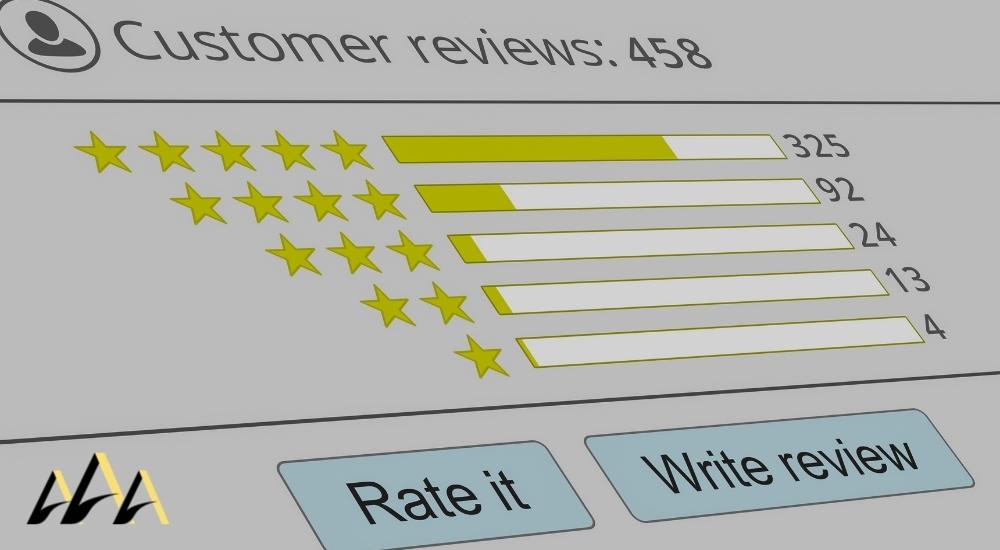
Star ratings and directory badges say very little about how a lawyer handles a Class X charge, a weapons case, or a domestic battery allegation with an order of protection attached. When you evaluate a felony defense attorney in Wheaton, look for proof that survives a follow-up question.
Three public signals are worth your time:
- First, published case results that describe the charge, the exposure, and what actually changed — not just “charges dropped.”
- Second, consistent practice focus: a site organized around felony charges, drug arrests, theft and burglary, sex crimes, and juvenile defense reads differently from one where criminal work sits beside real estate closings.
- Third, whether the lawyer explains risk plainly, including the outcomes that are unlikely.
Anderson Attorneys & Advisors has a DuPage County case example that fits that standard. A young client faced felonies carrying a mandatory minimum prison sentence. Our attorneys drew on local sentencing alternatives and brought in the client’s school deans and faculty to press the prosecutor for a second chance. The result was placement in a special program that would allow the felony to be expunged.
Local familiarity is the part generic criminal-defense copy can’t fake — program eligibility and prosecutor practice vary by county. Still, treat any published result as a starting point. Bring it to the consultation and ask how the same approach applies to your facts.
Why First-Time Offender Cases Still Need Felony-Level Strategy
A clean record helps. It does not make a felony a small matter. In Illinois, felony classes carry their own sentencing ranges, and some charges arrive with a mandatory minimum that a judge has limited room to go below. Probation may be available, but it is not automatic, and a first conviction still follows someone through job applications, professional licensing, housing screening, firearm rights, and immigration review.
That is where misdemeanor thinking fails people. A misdemeanor case often turns on supervision, fines, and getting it over with quickly. Felony defense works backward from the worst realistic outcome: what the State can actually prove, what the sentencing exposure is on each count, whether counts can be reduced or dismissed, and what mitigation needs to be built (e.g., treatment records, employment, school standing, letters from people who know the client) before plea discussions get serious. Mitigation assembled after an offer is on the table carries far less weight than mitigation presented early.
Program eligibility deserves the same early attention. Drug court, mental health court, second-chance probation, and county-specific diversion options each have their own criteria, and whether a client qualifies depends on the charge class, criminal history, and the prosecutor’s willingness to agree. A skilled felony defense attorney in Wheaton should be able to tell you, in the first meeting, which of those paths is plausible and which is not.
Experience That Matters in Domestic Battery, Drug, Theft, and Weapons Cases
Charge type changes everything about how a case is defended. When you interview a potential Wheaton criminal defense lawyer, ask specifically about the category you’re facing, not just how many years they’ve practiced.
Domestic Battery
These cases often move on two tracks at once: the criminal charge and an order of protection. A protective order can push you out of your home, limit contact with your children, and affect firearm rights long before any trial date. Evidence is usually relationship evidence, such as text threads, prior incidents, a recanting complaining witness, and Illinois sharply limits supervision and sealing for domestic battery convictions. Ask a Wheaton domestic battery attorney how they handle the protection order hearing, because testimony there can follow you into the criminal case.
Drug Cases
Much of the defense lives in procedure: how the stop happened, whether the search had a lawful basis, chain of custody, and what the lab actually confirmed versus what the field test suggested. Separately, ask which DuPage County treatment courts, deferred prosecution options, or 410 probation outcomes the drug crime lawyer has actually secured for clients.
Theft and Burglary
In Illinois theft crime cases, charging often turns on alleged value, which can move a case between misdemeanor and felony, and on proving intent. Restitution, prior history, and employment consequences shape what a negotiated resolution looks like.
Weapons and Firearms
Illinois gun charges carry some of the harshest mandatory minimums in the state, and judges and prosecutors vary in how they apply them. Charge-specific strategy and familiarity with the local courthouse matter more here than almost anywhere else.

What to Ask in a Consultation Before You Hire
A first meeting is an evaluation, not a sales pitch. Bring your charging documents, bond paperwork, and any police contact details, then ask questions that force specifics.
- Ask whether the lawyer has handled your specific charge.
- Ask what sentencing exposure you face.
- Ask what defenses look viable on the facts known today.
- Ask whether you qualify for any program.
- Ask what collateral effects hit your job, housing, or immigration status.
- Ask who actually appears in court.
- Ask how quickly calls get returned.
Experience With Your Charge, In This Courthouse
Ask how many felony matters the attorney has handled in DuPage County, how many involved charges like yours (drug arrests, theft or burglary, weapons, domestic battery, or a sex crime), and what the realistic range of outcomes looks like. A useful answer sounds like: “Here are the three ways this typically resolves, and here’s what has to be true for the best one.” Broad reassurance is a warning sign. So is any promise about the result before the discovery has been reviewed.
Investigation & Strategy.
Ask what the attorney will do in the first 30 days: what evidence gets subpoenaed, which witnesses get interviewed, whether suppression is on the table, and what happens if the State’s case holds up anyway.
Sentencing & Alternatives
Ask directly about probation, first-offender dispositions, diversion or special programs, and whether a conviction could later be expunged. Local program knowledge is what produced the result in the DuPage County felony case mentioned above, where prison was avoided, and the client entered a program allowing the felony to be erased.
Logistics & Trust
Who actually handles the file day to day? How fast can they move if a court date or filing deadline is days away? How do they protect your privacy at work and at home? When comparing any felony defense attorney in Wheaton, judge candor and discretion, not only the fee quote.
How to Choose the Best Felony Lawyer in Wheaton
Start with felony-specific experience rather than general criminal practice. Illinois felonies range from Class 4 up to Class X, and each class carries its own sentencing range, probation eligibility rules, and record consequences that misdemeanor work never touches. Some offenses are non-probationable, which means prison is mandatory if you’re convicted, so you want a lawyer who knows these distinctions and can explain how they apply to your charge.
Next, ask a prospective DuPage County criminal attorney how often they appear at the 18th Judicial Circuit Court in Wheaton. Familiarity with local judges, prosecutors, and diversion or alternative sentencing programs shapes what outcomes are realistically on the table and how to pursue them. Finally, look for public proof of the lawyer’s work: a published case result you can read and evaluate, not just a star rating.

Protect Your Future With a Wheaton Felony Defense Lawyer
A felony conviction can mean years in prison and the loss of rights many people take for granted, including firearm ownership and certain professional licenses. It can also make finding work and housing harder for the rest of your life. When you’re choosing a lawyer, look past the marketing and ask how the attorney would handle your specific charge, how often they appear in DuPage County courtrooms, and whether they’re prepared to take your case to trial.
At Anderson Attorneys & Advisors, we build every felony defense around the facts of your case and the goals that matter most to you. Call (630) 877-5800 today to discuss your charges with a Wheaton felony lawyer in a free and completely confidential consultation.