


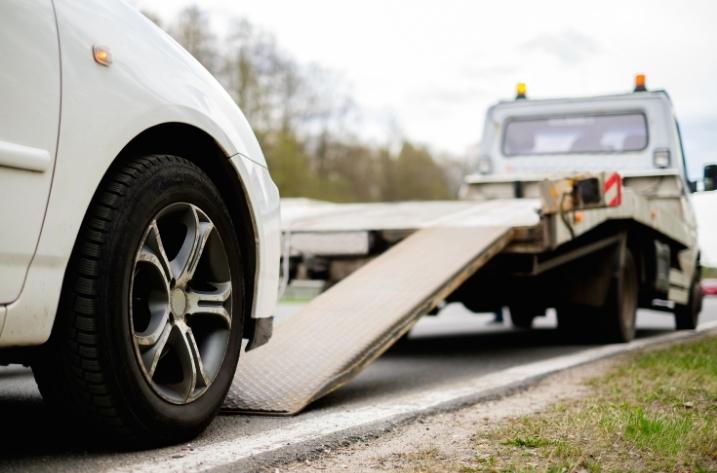
An arrest for driving under the influence of alcohol or drugs in DuPage County can set off a chain of consequences that go far beyond the criminal charge itself. While you’re dealing with court dates, a possible license suspension, and the stress of a pending case, your vehicle may also be sitting in a tow yard, accumulating fees, subject to a police hold, or even facing seizure and forfeiture. Many drivers are surprised to learn that vehicle impoundment operates on its own legal track, separate from the underlying criminal justice system process, with its own deadlines, hearings, and procedures.
Anderson Attorneys & Advisors helps clients throughout DuPage County recover vehicles and challenge improper impoundments and forfeitures that follow a DUI arrest. Because impound and forfeiture actions often move on tight timelines, waiting even a few days to seek legal advice can shrink your options considerably. If your car has been impounded after a DUI, understanding what happened and acting quickly are both essential to getting it back.
What Does It Mean If Your Car Gets Impounded?
An arrest and a vehicle impoundment are two different events, even though they often happen at the same time. The arrest addresses your alleged conduct as the driver, while the impoundment addresses the vehicle itself. Police agencies impound vehicles for a mix of public safety and administrative reasons: an intoxicated driver cannot simply be left to walk away from a car parked on a highway shoulder or in a traffic lane, and leaving a vehicle unattended in certain locations can create a hazard for other drivers.
It’s also worth understanding that DuPage County communities may have their own local ordinances governing impoundment that operate alongside, and sometimes in addition to, Illinois state law. A municipality’s impound ordinance can affect fee amounts, hold periods, and hearing procedures, so the rules that apply to your case may depend on which police agency made the stop.
Why Do Cars Get Impounded?
Vehicles get impounded in a variety of circumstances connected to a DUI stop. If a driver is taken into custody and there is no sober passenger available to take responsibility for the vehicle, police will typically have it towed rather than leave it unattended. If a vehicle is stopped somewhere that isn’t considered a safe location, such as blocking a lane of the highway or sitting in an unauthorized parking lot, it is also likely to be towed regardless of who ends up driving it away.
In some cases, the vehicle itself becomes evidence, particularly where police officers conduct an inventory search and find something during that process that changes the nature of the traffic stop.
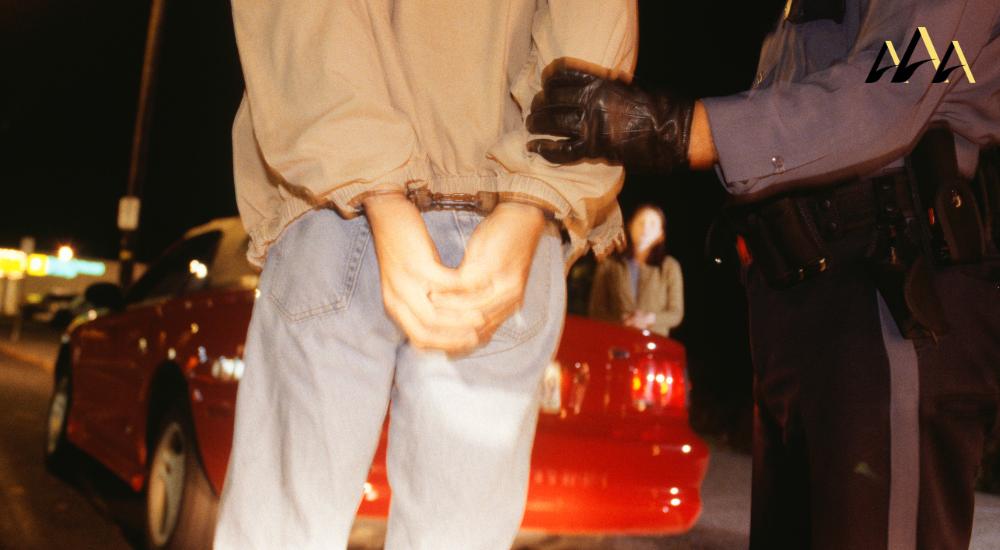
Does Your Car Get Impounded for DUI in DuPage County?
Not every DUI arrest results in an impounded car, and not every impoundment is mandatory. In many cases, whether a car is towed comes down to officer discretion at the scene. If a sober passenger or a sober driver is present and legally able to take the vehicle home, the officer may release the car to that person instead of calling a towing company. Some situations, however, involve mandatory impoundment under Illinois law or local ordinance, particularly for repeat offenders with prior DUI convictions on their record within the past 12 months.
Because the decision often hinges on the specific facts of the stop, it’s a mistake to assume that a DUI arrest automatically means permanent vehicle loss. In most cases, impoundment is a temporary, recoverable situation rather than the end of your ownership rights, but the path to getting your keys back involves following the correct process.
What Happens If Your Car Is Impounded By Police After a DUI?
Once an officer decides the vehicle needs to be removed from the scene, a tow truck from a contracted towing company transports it to a police-affiliated vehicle impound lot. From that point forward, the clock starts running on storage costs. Most impound lots charge daily storage fees in addition to a base towing charge, and those storage fees continue accumulating for every day the car sits there, regardless of what’s happening in your criminal case.
On top of towing and storage, you can expect administrative costs tied to processing the impoundment itself. These associated costs can add up quickly, which is one of the strongest reasons to resolve the impoundment as soon as possible rather than letting the vehicle sit while you focus solely on the DUI case.
It also matters whether the vehicle is under a straightforward hold for pickup or a police hold connected to an ongoing investigation, since the second scenario can prevent release even if you’re ready to pay every fee owed.
Understanding Illinois Vehicle Impound Laws
Illinois statutes (625 ILCS 5/4-203) set out the framework for DUI-related impoundments, including when impoundment applies, what owners are entitled to by way of notice, and what administrative hearings are available to contest the hold. DuPage County municipalities may layer their own ordinances on top of the state framework, which is part of why two people arrested a few miles apart under similar circumstances can end up facing different fee structures or hold periods.
Illinois law also builds in due process protections for vehicle owners. You generally have the right to notice explaining why your vehicle was impounded and what steps are required to recover it, along with the opportunity to request a hearing if you believe the impoundment was improper. However, these protections come with time limits attached, and missing a response deadline can forfeit your opportunity to challenge the impoundment through the administrative process, even if you have a strong argument.
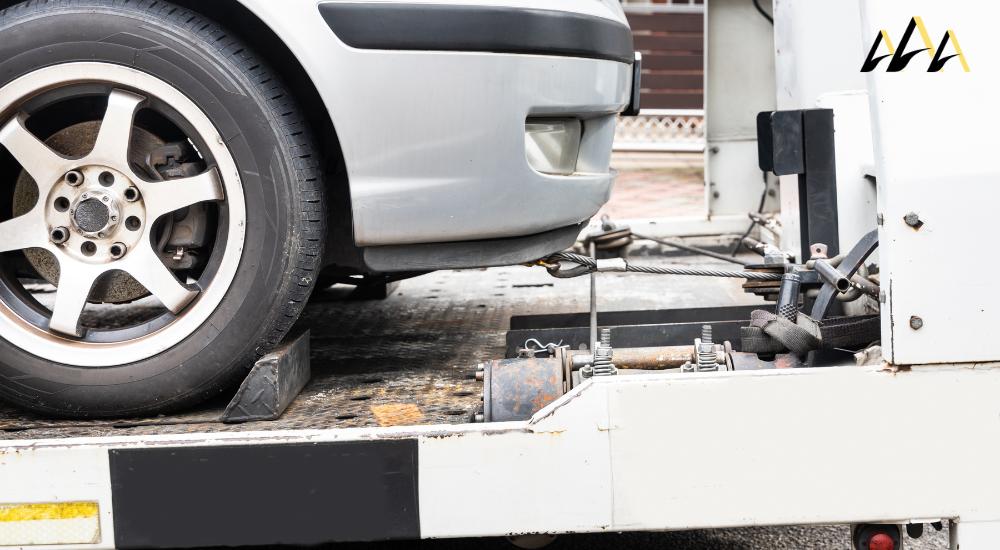
If Your Car Gets Impounded, Can You Get It Back?
In many cases, owners are able to recover their vehicle, though the path varies depending on the situation. For example, Illinois law provides certain innocent owner protections for people who did not know their vehicle would be used unlawfully, which can matter significantly for third-party owners whose vehicle was driven without their permission or knowledge. If you loaned your car to someone who was then arrested for a DUI while driving it, your rights as the actual owner may differ from those of the person driving.
Permanent forfeiture becomes a real possibility mainly in more serious cases, such as repeat offenses or situations tied to related criminal conduct. For most first-time or straightforward DUI arrests, the goal is simply working through the correct release or hearing process, not fighting off a forfeiture case.
What Is a Police Hold on a Vehicle?
Following a DUI arrest in Illinois, law enforcement may place a police hold on a vehicle before it can be released from the impound lot. A police hold temporarily prevents the owner from retrieving the vehicle, even after it has been towed from the scene and transported to a storage facility.
A police hold differs from a standard impound because the vehicle cannot be released until the law enforcement agency authorizes its release.
How Long Is Your Car Impounded for a DUI in Illinois?
If a police officer believes that someone arrested for DUI is likely to drive under the influence again after being released, the officer can order the person’s vehicle to be impounded for 12 hours from the time of the arrest. However, if the person arrested has a previous DUI conviction on record (meaning this is their second offense), the vehicle may be held for at least 24 hours. For a third DUI offense, the minimum impound period increases to 48 hours.
In some situations, the vehicle may be released before the required hold period ends. This typically happens if the person arrested owns the vehicle and gives permission for someone else to drive it, though that driver must have a valid driver’s license and must appear capable of operating the vehicle safely. If law enforcement determines the alternate driver is impaired, unlicensed, or otherwise not legally allowed to drive, the vehicle will remain impounded.
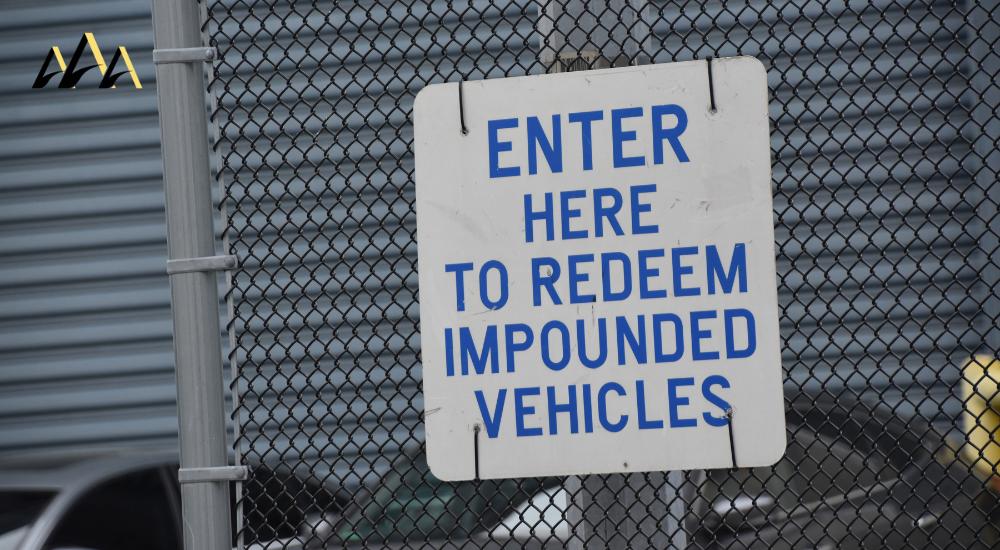
How Do I Get My Car Out of Impound After a DUI?
Getting a car out of impound generally follows a consistent sequence.
- First, determine why the vehicle was held, since a routine tow, a police hold, and a forfeiture action each require a different response and timelines.
- Second, confirm the vehicle’s location, since DuPage County has multiple towing companies and impound lots, and the police agency that made the arrest can direct you to the correct one.
- Third, pay the required fees, which typically include towing, storage, and administrative charges.
- Fourth, obtain the required release documents from the holding facility or police agency.
- Finally, complete the release process at the impound lot itself.
What Do You Need to Get a Car Out of Impound?
Impound facilities generally require a valid driver’s license, proof of ownership such as a title or registration, and proof of insurance before releasing a vehicle. You will also need to pay the required fees. Impound lots often have specific rules about accepted payment methods, so it’s worth confirming details before making the trip.
How Much Does It Cost to Get a Car Out of Impound?
The total cost of retrieving an impounded vehicle towed after a DUI arrest usually combines several categories: the initial towing fee, daily storage charges that accrue the longer the vehicle sits, administrative impound fees charged by the police agency or municipality, and any additional municipal penalties tied to local ordinances.
If the case involves broader court proceedings, there can be additional court-related expenses layered on top. Because storage fees compound daily, delaying pickup is one of the most common ways impound costs balloon well beyond what people expect.
How to Win an Impound Hearing
Successfully challenging an impoundment usually comes down to a few key strategies, including:
- Showing the impound was improper in the first place, whether because the officer lacked proper grounds or failed to follow required procedure
- Proving innocent ownership when the vehicle owner wasn’t the driver and had no reason to know the vehicle would be involved in a DUI arrest
- Challenging procedural errors in how the impoundment or notice was handled
Presenting supporting documentation, such as ownership records, insurance information, and any evidence bearing on the stop itself, strengthens any of these arguments. Working with an experienced DuPage County DUI defense attorney before the hearing, rather than after, gives you the best chance of building a coherent, well-supported case from the start.
When a DUI Arrest Leads to Vehicle Seizure and Forfeiture
A DUI arrest can sometimes lead to more than a temporary vehicle impoundment. In certain situations, law enforcement may seize the vehicle and begin forfeiture proceedings. Because forfeiture is a separate legal process from the DUI case itself, a person could face both criminal charges and a civil forfeiture action at the same time.
Illinois law requires the government to follow specific procedures before it can permanently keep a seized vehicle. Depending on the facts of the case, it may be possible to contest the seizure, argue that the legal requirements for forfeiture have not been met, or prove that the owner should not lose the vehicle.
In any case, acting quickly is important because strict deadlines apply, and failing to respond to a forfeiture notice could result in the permanent loss of your vehicle. A skilled DUI vehicle forfeiture attorney can help challenge the seizure, protect your ownership rights, and represent you during forfeiture proceedings.
Vehicle Impoundment vs. Vehicle Seizure vs. Vehicle Forfeiture
These three terms are often used loosely, but they describe distinct stages with different legal consequences.
- Impoundment is typically the initial, temporary step. The vehicle is towed and held, usually recoverable once fees are paid and any hold is lifted.
- Seizure is a more formal action, generally connected to a criminal investigation, where law enforcement takes and retains property because it may be evidence or may be connected to the alleged offense.
- Forfeiture is the most serious of the three and refers to the legal process through which the government attempts to permanently keep the property, transferring ownership away from you entirely.
What Does Forfeiture Mean in Court?
Forfeiture proceedings ask a court to permanently transfer ownership of the vehicle to the government. Illinois recognizes both criminal and civil forfeiture pathways, and the two work differently. Criminal forfeiture is tied directly to a conviction in the underlying case, while civil forfeiture can, in some circumstances, proceed against the property itself independent of whether the driver is ultimately convicted.
Understanding which type of proceeding you’re facing changes what defenses are available and what the case timeline looks like.
What To Do If You Get a Vehicle Seizure Notice
A vehicle seizure notice will typically identify the vehicle, explain the legal basis for the seizure, and lay out the deadline by which you must respond to contest it. These deadlines are often short, and ignoring the notice can result in the government proceeding toward forfeiture uncontested, effectively by default.
Because the consequences of missing a response window can be severe and difficult to undo, contacting an attorney as soon as you receive a seizure notice matters a great deal.

How Anderson Attorneys & Advisors Helps Recover Impounded, Seized, and Forfeited Vehicles
Anderson Attorneys & Advisors works with clients throughout DuPage County to challenge unlawful impoundments, represent clients at impound hearings, and defend against forfeiture actions when the government seeks to permanently keep a vehicle. The firm also assists innocent owners whose vehicles were impounded or seized due to someone else’s conduct, and coordinates criminal defense and vehicle recovery strategies so that the DUI case and the property case move forward together rather than working against each other.
With extensive experience handling DUI-related vehicle issues throughout DuPage County and the surrounding area, our criminal defense and asset seizure and forfeiture lawyers understand both the criminal justice side of a DUI arrest and the administrative side of getting a vehicle back.
More Frequently Asked Questions About DUI Vehicle Impoundment in Illinois
Can someone else pick up my impounded vehicle?
In many cases, yes, provided that person can show proof of ownership or authorization along with a valid driver’s license, though requirements vary by impound facility.
Can the registered owner recover the vehicle if they were not driving?
Often, yes. Registered owners who were not the driver at the time of the arrest may have a more straightforward path to recovery, particularly if innocent owner protections apply.
Will I still owe storage fees if my criminal case is dismissed?
In most cases, storage and towing fees are treated separately from the criminal case, so a dismissal doesn’t automatically erase fees already accrued, though it can support arguments in an impound hearing.
Can police permanently keep my vehicle after a DUI?
Only through a completed forfeiture proceeding. A standard impoundment or even a police hold does not, by itself, result in permanent loss of the vehicle.
Can I challenge a vehicle seizure before my criminal case ends?
Yes, seizure and forfeiture challenges generally proceed on their own timeline and don’t have to wait for the criminal case to conclude.
What happens if I never claim my impounded vehicle?
Unclaimed vehicles are typically subject to sale by the impound facility after a set period, and the owner may be held responsible for outstanding fees even after the vehicle is sold.
Does an acquittal automatically end a forfeiture case?
Not necessarily. Depending on whether the forfeiture is criminal or civil, an acquittal in the underlying case may or may not resolve the forfeiture action.
Can I recover personal belongings from an impounded vehicle?
In most cases, owners can request access to retrieve personal belongings even before the full impoundment or hold is resolved, though procedures vary by facility.

Protect Your Rights Before You Lose Your Vehicle
Impoundment, seizure, and forfeiture involve legal issues that are separate from the DUI charge itself, even though they may arise from the same arrest. Each comes with its own deadlines, and missing one can make recovering your vehicle far more difficult, sometimes permanently. If your car has been impounded after a DUI arrest in DuPage County, don’t wait to see how the criminal case unfolds before addressing the vehicle. Contact the experienced DUI defense lawyers at Anderson Attorneys & Advisors at 630-877-5800 for help protecting both your criminal case and your property.